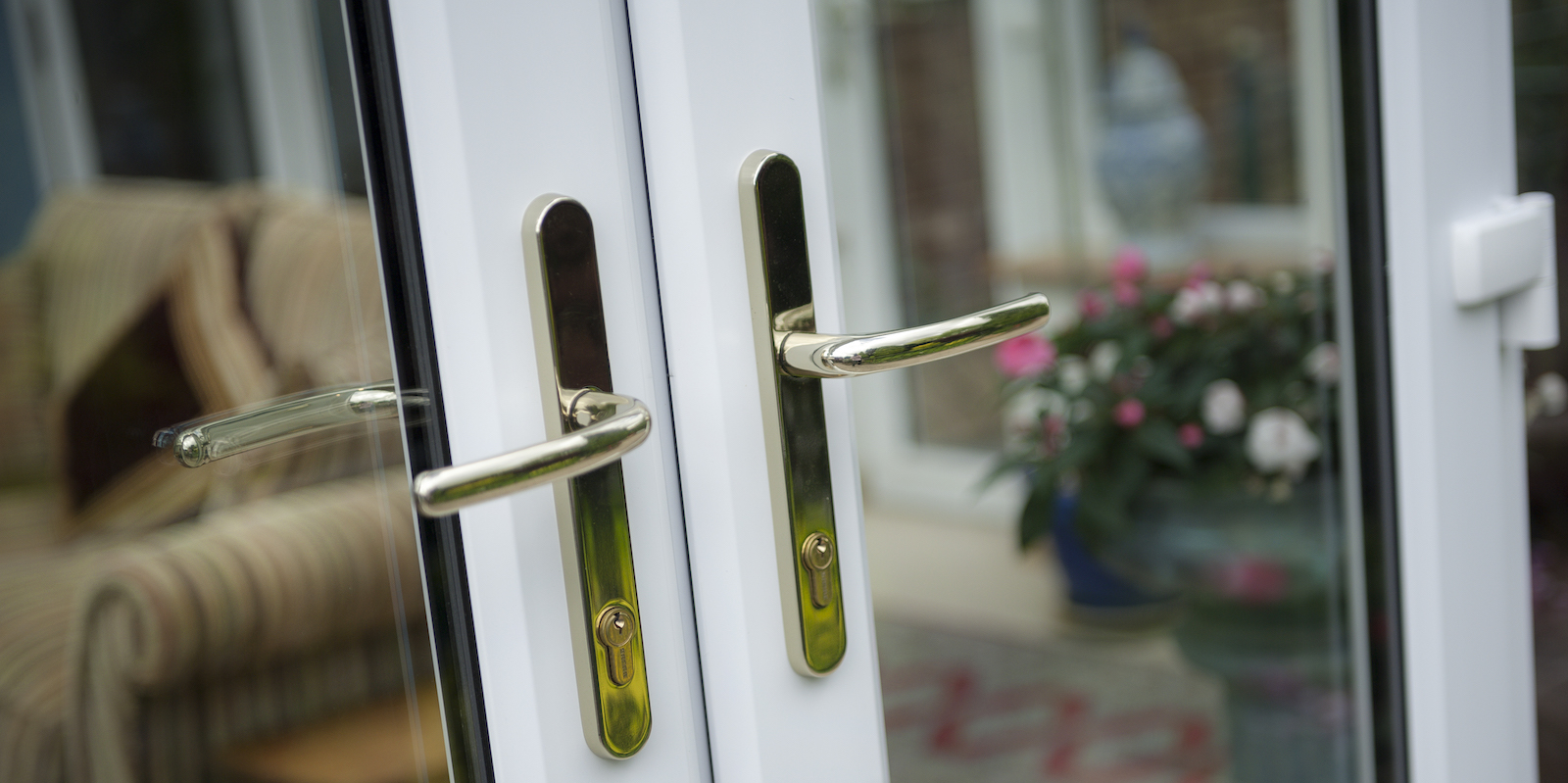

French Door Repair Professional Tips
Eine Bewertung hinzufügen FolgenÜbersicht
-
Gegründet Datum 3. Oktober, 1904
-
Branchen Gastronomie
-
Posted Jobs 0
-
Angesehen 6
Beschreibung Des Unternehmens
What’s The Job Market For French Door Hinges Professionals?
Understanding French Door Hinges: A Comprehensive Guide
French doors are renowned for their beauty and capability to boost the aesthetics of both interior and exterior areas. Unlike standard doors, French doors normally include 2 panels that open external or inward, producing a grand entryway and allowing for an abundance of natural light. Central to their performance and style are the hinges that support their movement. This blog post looks into French door hinges, supplying readers with essential information, insights, and a comparative table for ease of understanding.
What Are French Door Hinges?
French door hinges are specialized types of hinges created specifically for the distinct structural characteristics of French doors. They allow the double panels of a French Door Handles door to swing open or closed efficiently, guaranteeing that the doors run properly without excessive wear or damage. Unlike regular hinges that may not offer the same level of assistance and aesthetic appeal, French door hinges come in different designs, products, and surfaces, customized for visual compatibility with the doors themselves.
Types of French Door Hinges
French door hinges come in a number of ranges, each serving specific needs and choices. Here are a few of the most common types:
-
Butt Hinges:
- Description: Traditional and most extensively used; consists of two plates (leaves) that are joined together by a pin.
- Pros: Strong, trustworthy, and readily available in numerous surfaces.
- Cons: May not use a smooth appearance on ornate doors.
-
Continuous Hinges (Piano Hinges):
- Description: A single long hinge that runs the full height of the door.
- Pros: Provides even weight circulation and is long lasting.
- Cons: Requires accuracy during installation.
-
Hidden Hinges:
- Description: Hinges that are concealed when the door is closed; they end up being unnoticeable for a sleeker appearance.
- Pros: Aesthetically pleasing, perfect for modern-day styles.
- Cons: Installation can be more complex and may require customized tools.
-
Self-Closing Hinges:
- Description: Hinges that automatically pull the door closed after opening.
- Pros: Extremely helpful for traffic-heavy locations like outdoor patios or kitchen areas.
- Cons: May have limited style options.
-
Adjustable Hinges:
- Description: Hinges that allow adjustments as soon as installed, accommodating shifts in the home’s structure.
- Pros: Adjusts for a best fit gradually.
- Cons: Slightly more costly than basic hinges.
A Quick Comparison Table
To supply a clearer understanding of the different types of French door hinges, here’s a succinct comparison table highlighting their functions:
| Type | Description | Pros | Cons |
|---|---|---|---|
| Butt Hinges | Traditional two-plate style | Strong, reliable, numerous finishes | May not fit ornate styles |
| Constant | Single long hinge | Even weight distribution, durable | Requires exact installation |
| Concealed | Hidden when the door is closed | Sleek, modern-day visual | Complex installation |
| Self-Closing | Pulls door closed instantly | Great for high-traffic areas | Minimal design alternatives |
| Adjustable | Allows post-install changes | Perfect fit in time | Greater expense |
Picking the Right Hinges for Your French Doors
Choosing the ideal hinges for French doors is vital for performance and design. Here are some crucial factors to think about:
-
Weight of the Doors: Heavier doors require stronger hinges. Always decide for hinges that can support the weight successfully.
-
Material Compatibility: Ensure that the hinge product matches the door and the frame. Common materials include stainless steel, brass, and zinc.
-
Visual Appeal: The finish of the hinges need to match the total decoration and hardware of the space. Popular finishes consist of polished brass, oil-rubbed bronze, and satin nickel.
-
Performance Needs: If the doors are often used or if they require to close instantly, choose suitable alternatives like self-closing hinges.
-
Maintenance Requirements: Some hinge materials are more resistant to rust and wear, needing less maintenance gradually.
Installation Tips for French Door Hinges
The installation procedure of French door hinges can be detailed; for this reason, taking extra care is important. Here are some helpful tips:
-
Preparation: Before installing, make sure that the door and frame are correctly aligned.
-
Tools Required: Have the required tools on hand, consisting of a drill, tape step, level, screwdriver, and sculpt.
-
Marking: Use a pencil to mark where the hinges will be positioned on the door and the frame.
-
Drilling Holes: Drill pilot holes for the screws to prevent the wood from splitting.
-
Leveling: Ensure that the door is level before securing the hinges tightly to prevent misalignment.
-
Test Functionality: After installation, open and close the doors numerous times to ensure smooth operation.
Frequently Asked Questions (FAQs)
Q1: How do I know which size hinge I require for my French Door Replacement door?A1: Measure the density and weight of the doors to determine the size and strength required for the hinges. Manufacturers frequently supply size guides. Q2: Can I utilize regular hinges for French Door Glass
doors?A2: While you can use routine hinges, it is advisable to utilize hinges particularly developed for French doors to make sure optimal efficiency and looks. Q3: What finish is best for exterior French door hinges?A3: Opt for surfaces that are resistant to
corrosion, such as stainless-steel or bronze, especially if the doors deal with severe weather condition conditions. Q4: Are self-closing hinges reliable for high-traffic areas?A4: Yes, self-closing hinges can be extremely dependable in high-traffic locations, however periodic maintenance might be essential to guarantee they function properly. Q5: How often must
I replace hinges on my French doors?A5: With appropriate maintenance, hinges can last for several years. Nevertheless, if you see difficulty in opening or closing the doors or
visible wear, it might be time to change them. French Door Hinges (french-door-replacement90091.wikiap.com) are an
essential element that enhances both the performance and charm of your doors. By understanding the various types of hinges, thinking about the proper selection requirements, and properly preserving them, homeowners can take pleasure in the beauty and usefulness of French doors for many years to come. When starting your French door job, keep in mind– the ideal hinges make all the difference.