

Akku-Maschine
Eine Bewertung hinzufügen FolgenÜbersicht
-
Gegründet Datum Oktober 30, 2021
-
Branchen Specialista Qualità Cliente
-
Posted Jobs 0
-
Angesehen 3
Beschreibung Des Unternehmens
The Biggest Issue With Cordless Tool And How You Can Resolve It
The Rise of Cordless Tools: A Comprehensive Overview
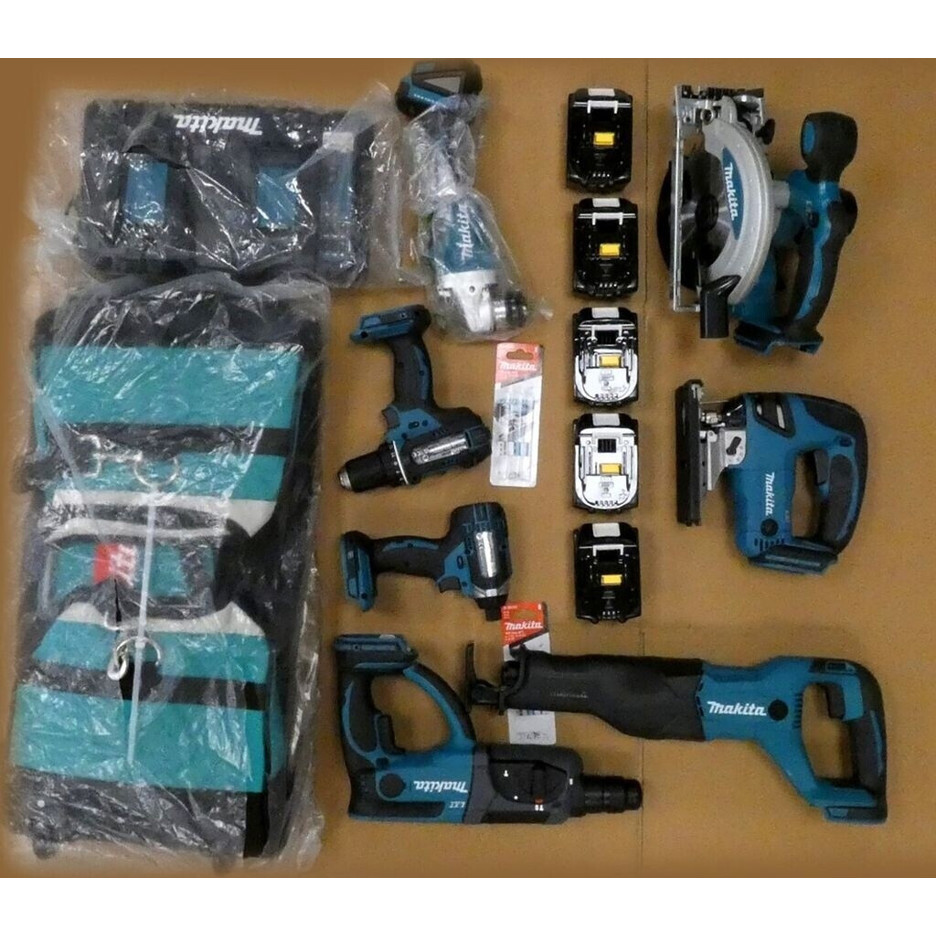
In the world of building and construction, woodworking, and home enhancement, cordless tools have transformed the way tradespeople and DIY lovers approach their projects. No longer tethered by troublesome cables, users are now afforded the convenience and versatility of battery-powered equipment. This blog site will explore the various aspects of cordless tools, including their benefits, types, upkeep, and some typically asked concerns.
Why Choose Cordless Tools?
Cordless tools have gained tremendous popularity over recent years, and for good reason. Here are some essential benefits that make these tools a preferred choice for numerous:
-
Portability and Convenience: The lack of cables allows users to easily maneuver through various areas without fretting about tripping threats or finding power outlets.
-
Versatility: Cordless tools are readily available for a wide range of applications, from drilling and cutting to sanding and attaching. This adaptability makes them an essential addition to any toolkit.
-
Improved Safety: With no cables in the method, users deal with fewer hazards, making for a much safer working environment.
-
Battery Technology: Advances in battery technology, especially lithium-ion batteries, have actually resulted in boosted runtime and shorter charging times.
Table 1: Comparison of Corded vs. Cordless Tools
| Function | Corded Tools | Cordless Tools |
|---|---|---|
| Power | Typically more effective | Appropriate for a lot of jobs |
| Mobility | Limited by cord length | Extremely mobile |
| Runtime | Constant use | Minimal by battery life |
| Upkeep | Low maintenance | Battery life-span affects longevity |
| Weight | Generally heavier | Varies, often lighter |
| Expense | Normally cheaper | Higher initial investment |
Types of Cordless Tools
Cordless tools come in different shapes and sizes, and each type serves special purposes. Below are some of the most typical cordless tools and their applications:
-
Cordless Drills
- Ideal for drilling holes and driving screws.
- Key Features: Variable speed settings and torque change.
-
Cordless Circular Saws
- Perfect for cutting wood, metal, and other materials.
- Key Features: Blade size choices and bevel capabilities.
-
Cordless Nail Guns
- Helpful for framing, roofing, and cabinetry jobs.
- Key Features: Adjustable depth settings and shooting modes.
-
Cordless Impact Drivers
- Great for durable attachment applications.
- Key Features: High torque output and compact style.
-
Cordless Orbital Sanders
- Essential for smoothing surfaces and finishing work.
- Key Features: Dust collection systems and multi-speed settings.
Table 2: Popular Cordless Tools and Their Uses
| Tool Type | Typical Uses | Key Features |
|---|---|---|
| Cordless Drill | Drilling holes, driving screws | Speed control, torque settings |
| Circular Saw | Cutting wood and sheet goods | Blade size, bevel modifications |
| Nail Gun | Framing, sheathing, and trim work | Depth change |
| Effect Driver | Durable attachment | High torque, compact design |
| Orbital Sander | Surface area finishing | Variable speed, dust collection |
Maintenance of Cordless Tools
To make sure durability and optimum efficiency of cordless tools, proper maintenance is essential. Here are some upkeep ideas:
-
Battery Care: Regularly inspect battery health, prevent deep discharges, and store batteries in a cool, dry location. Lots of batteries gain from being frequently cycled through charging.
-
Clean Tools: Keep tools devoid of dust and particles. Regular cleaning can avoid accumulation and guarantee equipment runs efficiently.
-
Examine Components: Routinely inspect parts for wear and tear. Pay attention to drill bits, blades, and chargers.
-
Update Software: For smart tools, make sure firmware is current to improve abilities and safety features.
Table 3: Cordless Tool Maintenance Checklist
| Upkeep Task | Frequency | Function |
|---|---|---|
| Battery Inspection | Monthly | Guarantee optimal efficiency |
| Cleaning | After each use | Prevents dust accumulation |
| Part Inspection | Every 3 months | Spot wear and change if required |
| Software Update | As required | Improve functionality |
Regularly Asked Questions (FAQs)
1. The length of time do batteries last in cordless tools?
The life expectancy of a cordless tool battery can differ, but many lithium-ion batteries last around 2-5 years, depending on usage and upkeep.
2. Are cordless tools as powerful as corded tools?
While numerous cordless tools offer appropriate power for most tasks, they might not match the high energy output of some corded models, specifically for durable applications.
3. Can I use my cordless tool while charging?
Generally, it is not suggested to utilize cordless tools while charging, as this can lead to overheating, reduced performance, and possible damage to the tool or battery.
4. What should I think about when purchasing cordless tools?
Think about aspects such as battery life, the kinds of projects you prepare to undertake, the tool’s weight and size, Werkstatt-Basics FüR Akkus and the schedule of compatible batteries and accessories.
5. Are more expensive cordless tools worth the financial investment?
Purchasing higher-end cordless tools typically offers better performance, resilience, and longer battery life, making them worth the extra cost for regular users.
Cordless tools have actually changed the method we approach jobs in building and home enhancement. With their myriad benefits, variety of alternatives, and ease of usage, they have actually become essential for specialists and DIY enthusiasts alike. By understanding the various types readily available, how to preserve them, and the subtleties of battery innovation, users can make informed choices that boost their efficiency and project outcomes. As innovation continues to advance, the future of cordless tools guarantees much more developments, shaping our work environments for the better.