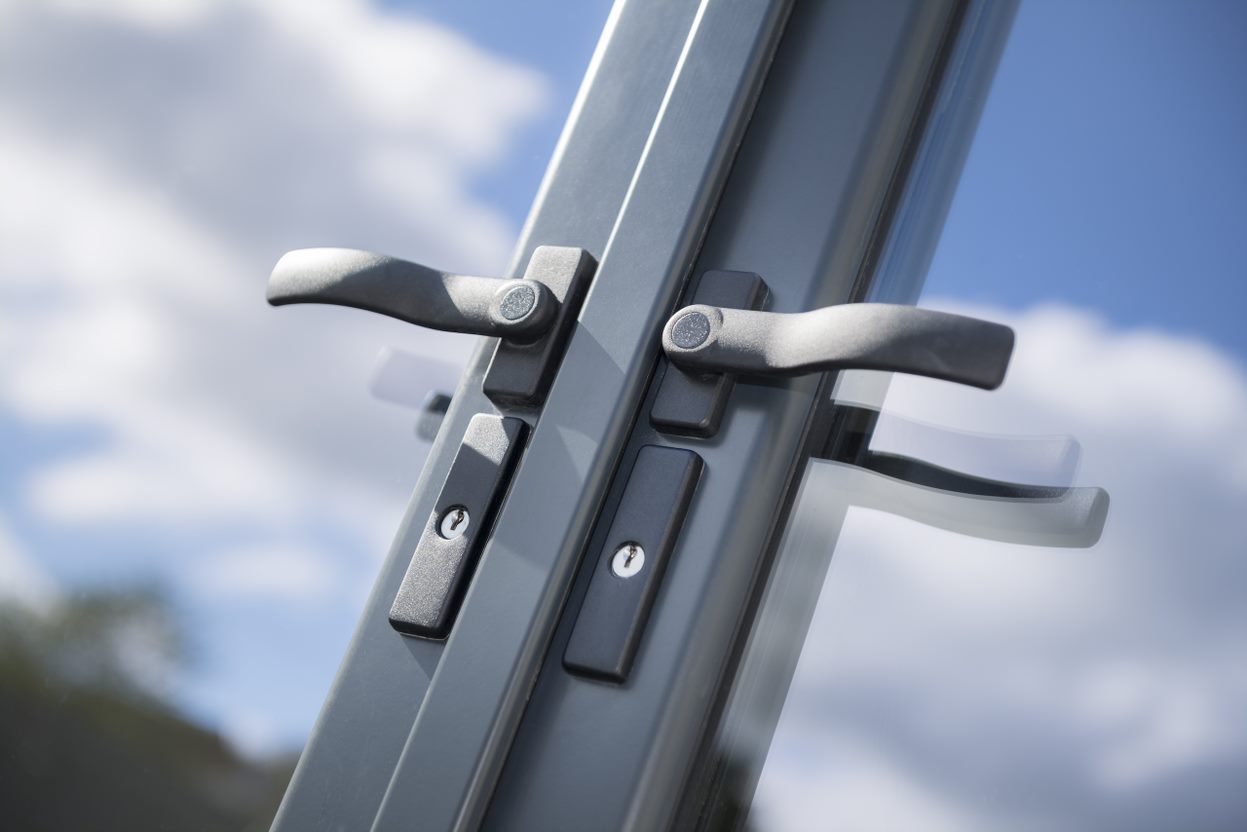

Door Handle Maintenance
Eine Bewertung hinzufügen FolgenÜbersicht
-
Gegründet Datum 2. Februar, 1961
-
Branchen Gastronomie
-
Posted Jobs 0
-
Angesehen 10
Beschreibung Des Unternehmens
5 Killer Quora Answers To Residential Door Handle Repair
Residential Door Handle Repair: A Comprehensive Guide
Door handles are frequently taken for given, yet they play a vital role in the functionality and security of our homes. When they malfunction, it can become a substantial trouble. This guide will offer homeowners with a comprehensive understanding of residential door handle carpenter handle repairs, assisting them determine common concerns, find out the required actions for repairs, and even obtain some helpful tips for maintenance.
Typical Issues with Door Handles
Before delving into repairs, it’s essential to comprehend the common issues that can happen with residential door handles. The table listed below describes some frequent grievances and the potential causes behind them:
| Issue | Prospective Cause | Suggested Solution |
|---|---|---|
| Loose handle | Used screws or fittings | Tighten up or replace screws |
| Sticking or jammed handle | Dirt or particles build-up | Clean and oil |
| Misalignment | Improper installation or moving | Realign or reposition |
| Non-functional latch | Broken lock mechanism | Change the lock |
| Handle spins easily | Broken internal parts | Take apart and repair or replace |
| Rust or deterioration | Environmental factors or material tiredness | Tidy or replace the handle |
Determining the problem is the primary step towards efficient repair. Each issue has its own unique method, which will be checked out in greater detail in the following sections.
Step-by-Step Repair Guide
1. Collect Your Tools
Before beginning any repair, it’s vital to have the right tools on hand. The following list includes basic tools required for most door handle repair and installation handle repairs:
- Screwdriver (flat head and Phillips)
- Allen wrench (if essential)
- Lubricant (like WD-40 or silicone spray)
- Cleaning fabric
- Replacement parts (if needed)
- Pliers
2. Examine the Problem
Determine which problem is accompanying the door handle. Is it loose, sticking, or not operating at all? Understanding the source will assist you to the necessary repairs.
3. Tightening Loose Handles
For a loose door handle restoration handle:
- Step 1: Identify the screws on the handle.
- Action 2: Use the proper screwdriver to tighten any loose screws.
- Step 3: Test the handle to guarantee it operates properly.
4. Cleaning and Lubrication
For sticking or jammed handles:
- Step 1: Remove the handle by unscrewing it.
- Action 2: Clean around the mechanism with a cloth to eliminate any debris.
- Step 3: Apply lube to the moving parts of the system.
- Step 4: Reassemble the handle and evaluate its movement.
5. Straightening Misaligned Handles
For misaligned handles:
- Step 1: Check the alignment of the handle in relation to the lock.
- Step 2: Loosen the screws on the handle a little and change its position.
- Action 3: Tighten the screws firmly and check the handle.
6. Fixing or Replacing Latches
For handles with non-functional latches:
- Step 1: Remove the handle entirely and take out the latch system.
- Step 2: Inspect the latch for damage. If harmed, replace with a new lock.
- Action 3: Reinstall the latch and handle, checking the operation to make sure performance.
7. Addressing Spinning Handles
For handles that spin easily:
- Step 1: Disassemble the handle by eliminating screws and internal parts.
- Step 2: Check for broken parts inside the handle.
- Step 3: Replace any broken components or the entire handle if needed.
- Step 4: Reassemble the handle and evaluate its functionality.
8. Handling Rust or Corrosion
For rusted handles:
- Step 1: Use a cleaning fabric to wipe away any rust on the surface area.
- Action 2: If heavily worn away, think about replacing the handle completely.
- Action 3: Apply a protective coat to avoid future rust.
Maintenance Tips for Door Handles
Preventive maintenance can extend the life of your door handles and lessen issues. Here are some useful ideas:
- Regular Cleaning: Wipe down door handles with a moist fabric regularly to get rid of dirt and particles.
- Lubrication: Apply a little quantity of lubricant regularly to keep moving parts working smoothly.
- Tighten Screws: Check and tighten screws every couple of months to prevent looseness.
- Examine for Damage: Routinely examine the handles for indications of wear or damage and change them as required.
FAQs
Q1: Can I repair a broken door handle myself?
Yes, a lot of door handle fixer service handle repairs can be finished by a homeowner with standard tools and some time. However, if the damage is comprehensive or intricate, think about hiring a professional.
Q2: How typically should I lubricate my door handles?
It’s recommended to lube door handles every 6-12 months, or whenever you discover stiffness or sticking.
Q3: What if my door handle is still not operating after repair?
If your door handle remains bothersome after trying repairs, it might be time to change it entirely. Ensure you choose a quality handle that fits your door specs.
Q4: Are there different kinds of door handles that need unique attention?
Yes, different kinds of door handles (such as lever handles, knob handles, or digital locks) may have particular repair needs and mechanisms. Always describe the manufacturer’s instructions for particular models.
Q5: What is the best method to prevent door handle problems?
Preserving regular cleansing and lubrication, in addition to monitoring for any signs of wear, will help prevent issues before they develop.
Residential door handle repair does not have to be intimidating. By understanding typical problems and following an organized approach, property owners can restore their door handles to working order. Routine maintenance will not only extend the life of these important devices but will likewise guarantee the security and ease of access of your home. Whether dealing with minor annoyances or tackling substantial repairs, being informed can make all the distinction. For those who feel uncertain, speaking with a professional can supply assurance and specialist resolution.