

Fascia Replacement
Eine Bewertung hinzufügen FolgenÜbersicht
-
Gegründet Datum 11. Mai, 1953
-
Branchen Maschinenbau
-
Posted Jobs 0
-
Angesehen 67
Beschreibung Des Unternehmens
See What Upvc Soffit Tricks The Celebs Are Using
Understanding UPVC Soffits: A Comprehensive Guide
Intro
When it concerns home renovation or maintenance, many house owners often overlook minor elements like soffits, which play an essential role in the total functionality and visual appeal of a residential or commercial property. Amongst several materials readily available in the market, UPVC (Unplasticized Polyvinyl Chloride) is acquiring tremendous appeal. This blog site will explore the functions, advantages, installation processes, maintenance requirements, and typical inquiries concerning Upvc Soffit soffits.
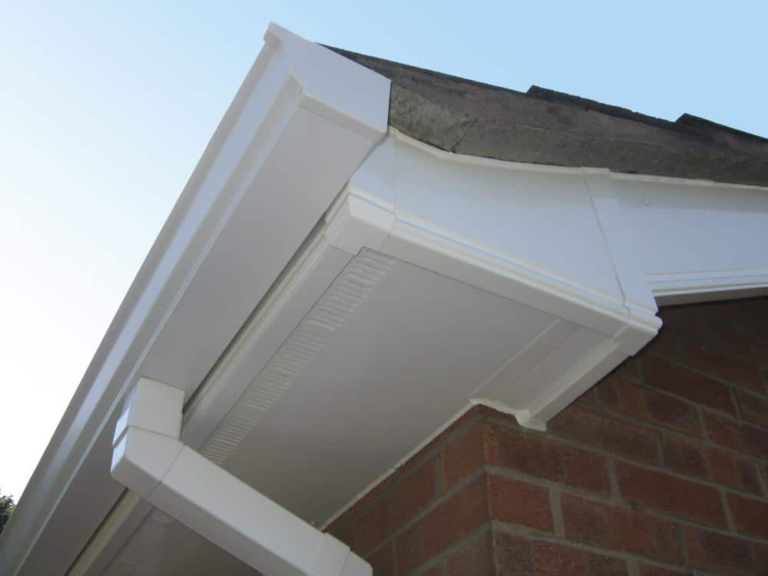
What are Soffits?
Soffits are the product that bridges the space between the exterior wall of your house and the roofline, guaranteeing that the structure is well-ventilated while likewise offering a sleek appearance. They can be found under eaves or overhangs and be available in different materials, including wood, plywood, and in the last few years, UPVC.
Secret Functions of Soffits
- Ventilation: One of the primary functions of soffits is to permit air circulation in the attic, helping to control temperature level and wetness levels.
- Protection: Soffits safeguard the roofing system structure and attic from pests, rain, and snow, thus enhancing the life-span of your roof.
- Aesthetic Appeal: Soffits contribute considerably to the overall look of a home. They can raise the curb appeal with a neat, tidy finish.
Why Choose UPVC for Soffits?
UPVC has become a preferred option for soffits due to its unique benefits. Below is a comparative analysis of UPVC versus conventional materials like wood and aluminum.
Contrast Table: UPVC Soffits vs. Traditional Materials
| Function | UPVC Soffits | Wood Soffits | Aluminum Soffits |
|---|---|---|---|
| Sturdiness | Highly resilient and resistant | Prone to rot, decay, and pest damage | May damage or scratch quickly |
| Maintenance | Low maintenance; no painting needed | High maintenance; needs routine painting/staining | Moderate maintenance; some upkeep required |
| Installation | Easy to install; light-weight | Heavier and more labor-intensive | Installation can be made complex |
| Cost | Cost-effective in the long term | Generally more pricey due to maintenance expenses | Can be expensive based upon surface |
| Moisture Resistance | Exceptional wetness resistance | Poor moisture resistance | Good wetness resistance |
| Appearance | Available in different designs and colors | Natural look, but can be restricted by paint | Minimal designs, primarily metal |
Key Benefits of UPVC Soffits
-
Resilience: UPVC is known for its long life expectancy and strength versus environmental stresses, consisting of severe temperatures, moisture, and UV direct exposure.
-
Low Maintenance: Unlike wood, which requires regular treatment, UPVC soffits only need occasional cleansing with soapy water to maintain their look.
-
Affordability: UPVC is cost-effective when considering its toughness, low maintenance, Fascia And Soffit Repair strength. In the long run, the savings on maintenance Fascia And Cladding replacement expenses can be significant.
-
Variety of Styles: UPVC soffits come in a variety of styles and colors, enabling homeowners to match them to their existing architecture.
-
Eco-Friendly Options: Many UPVC items are produced using recycled materials, making them an environmentally friendly option for ecologically mindful house owners.
Installation Process
Installing UPVC soffits can be a DIY project or performed by experts. Here’s a step-by-step guide to the installation process:
Installation Steps
-
Step and Plan: Calculate the area of the Affordable Soffit Replacement space to be covered. Take measurements precisely; this will help in ordering the correct amount of UPVC.
-
Get Rid Of Old Soffits: If you’re replacing existing soffits, thoroughly eliminate the old material and tidy the location.
-
Get ready for Installation: Ensure that the area is dry, clean, and devoid of debris.
-
Cut UPVC Panels: Cut the UPVC panels to the proper lengths and widths, based upon your measurements.
-
Set Up the UPVC Panels: Begin installing the boards from one end. Secure them using the appropriate fasteners, making sure a tight fit.
-
Include Ventilation: If needed, set up vented panels to promote air flow.
-
Finishing Touches: Seal any gaps utilizing UPVC trims and make certain whatever is lined up and safe and secure.
Maintenance Tips
-
Routine Cleaning: Use a mild detergent and water to tidy UPVC soffits every few months to avoid mold and dirt accumulation.
-
Inspect for Damage: Periodically examine for indications of wear, such as cracks or loose fittings, and address them promptly to avoid more concerns.
-
Inspect Ventilation: Ensure that the ventilation openings are not obstructed by debris or obstructions, enabling appropriate air flow.
-
Professional Inspections: Consider having a professional inspection every couple of years, specifically if your home is older.
Often Asked Questions (FAQ)
1. How long do UPVC soffits last?
UPVC soffits can last anywhere from 20 to 30 years, depending upon environmental conditions and maintenance.
2. Can I paint UPVC soffits?
While painting UPVC is possible, Soffit Board Replacement (https://fascia-Repair30740.popup-blog.com/38430290/how-to-beat-your-boss-on-affordable-soffit-replacement) it is normally not recommended as it can void service warranties and impacts the product’s sturdiness. It is much better to choose a color that matches your home’s aesthetics from the outset.
3. Are UPVC soffits eco-friendly?
Many UPVC items are made from recycled products and can be recycled themselves, making them a more sustainable choice compared to traditional materials.
4. How do I know if I require to change my soffits?
Signs of wear and tear include visible cracks, sagging, rot (for wooden soffits), and insect infestation. If any of these problems emerge, it might be time to consider replacing your soffits.
5. Can I install UPVC soffits myself?
Yes, if you have standard DIY skills, you can set up UPVC soffits by yourself. Nevertheless, if you’re not comfortable with the task, working with a professional is advisable.
UPVC soffits use a practical solution for property owners wanting both functionality and visual appeal. Their sturdiness, low maintenance, and range of designs make them a commendable option for soffit installation. Whether you are constructing a brand-new home or renovating an existing home, thinking about UPVC as your soffit material can lead to long-lasting satisfaction and savings. By comprehending the advantages and installation process, property owners can make informed decisions that improve their living areas while offering long lasting defense for their homes.