

Leiser Einbaukühlschrank Mit Gefrierfach Und No Frost Technologie
Eine Bewertung hinzufügen FolgenÜbersicht
-
Gegründet Datum 28. September, 1914
-
Branchen Gesundheit, Pflege
-
Posted Jobs 0
-
Angesehen 9
Beschreibung Des Unternehmens
25 Surprising Facts About Freezer Energy Efficiency Class C
Understanding Freezer Energy Efficiency Class C: What You Need to Know
In today’s environmentally mindful world, energy efficiency has gained substantial significance among customers and producers alike. When it pertains to household appliances, a freezer’s energy efficiency rating can substantially impact energy intake and utility expenses. This blog post will explore Freezer Energy Efficiency Class C– what it implies, how it compares to other classes, and ideas on how to enhance energy efficiency in freezers.
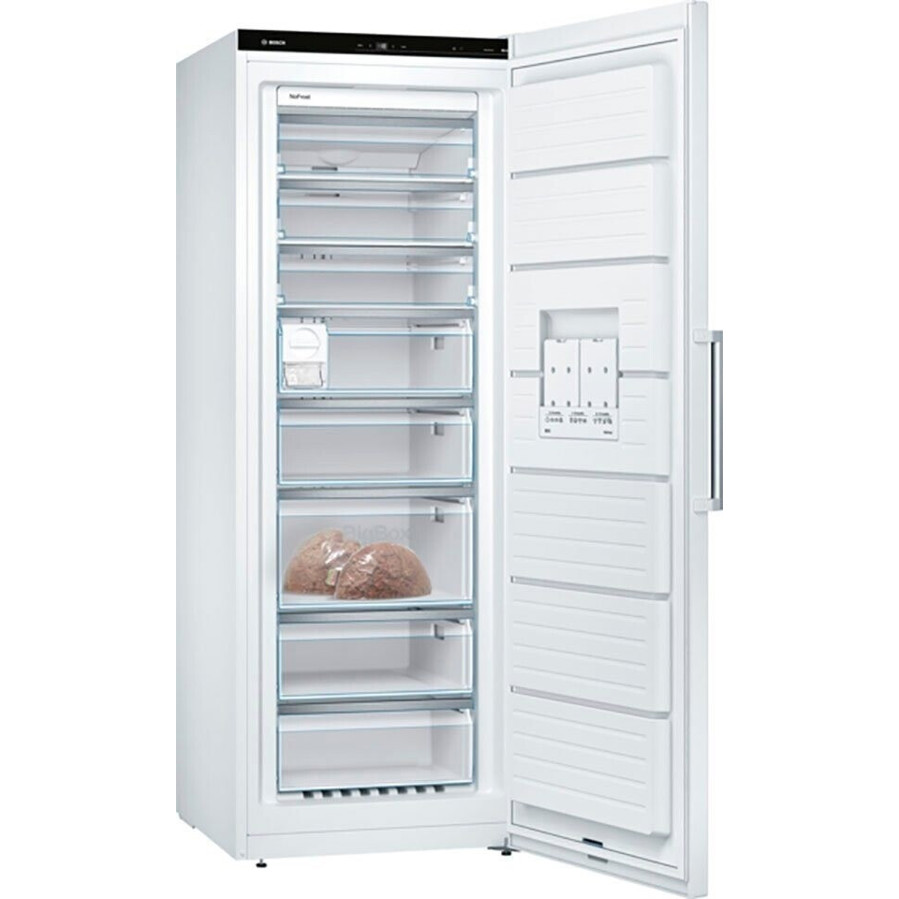
What Does Energy Efficiency Class C Mean?
Energy efficiency classes are standardized ratings that indicate just how much energy a device consumes relative to its output or performance. These classes vary from A to G, with A being the most effective and G the least.
Freezers with an Energy Efficiency Class C rating are considered typical in terms of energy consumption. They aren’t the most efficient choices offered, however they often cost less than higher-rated models.
Energy Efficiency Classes
| Energy Class | Description |
|---|---|
| A+++ | Extremely effective |
| A++ | Very efficient |
| A+ | Efficient |
| A | Moderate efficiency |
| B | Second-rate |
| C | Typical |
| D | Below par |
| E | Poor |
| F | Very poor |
| G | Extremely bad |
Key Characteristics of Class C Freezers
-
Energy Consumption: Class C freezers normally take in more electricity compared to their more efficient equivalents. This means that while they may be more economical to acquire, Einbau Gefrierschrank Kaufen it may cost more to operate them with time.
-
Preliminary Cost: Freezers with a Class C score often have lower upfront expenses, making them attractive for budget-conscious customers.
-
Size and Capacity: Class C models can be available in various sizes, from compact units to bigger chest freezers. This irregularity allows customers to choose a design that fits their requirements without jeopardizing on expense.
-
Cooling Technology: Many Class C freezers use standard cooling methods instead of innovative innovations found in higher-rated models. As a result, their cooling performance may not be as constant.
Advantages and disadvantages of Class C Freezers
Pros:
-
Affordability: Generally, Class C freezers have lower initial costs compared to higher-rated designs, making them available for customers on a budget plan.
-
Adequate for Average Use: For homes that do not frequently use a freezer or shop large amounts of food, a Class C freezer might offer sufficient efficiency.
-
Easier Features: Many Class C designs concentrate on basic functionalities, do not have complicated functions, and are often simpler to use.
Cons:
-
Higher Energy Costs: Buy A Freestanding Stainless Steel No-Frost Fridge-Freezer Combination The ongoing energy intake can result in greater utility costs, negating the savings from the lower purchase price.
-
Environmental Impact: Less energy-efficient appliances add to higher carbon footprints, which can be an issue for Side By Side Kühlschrank Preis environmentally mindful customers.
-
Minimal Longevity: Class C systems might not last as long as more effective designs, leading to more frequent replacements and increased waste.
Tips for Improving the Energy Efficiency of Class C Freezers
-
Correct Location: Place the freezer in a cool, well-ventilated location away from direct sunshine and Side By Side Kühlschrank Preis heat sources like ovens and dishwashing machines.
-
Temperature level Settings: Set the freezer temperature to optimal levels (normally around -18 ° C or 0 ° F )to guarantee effective operation
-
. Keep It Full: A full freezer runs more efficiently than an empty one. If you don’t have sufficient food to fill it, think about utilizing ice bag or containers of water to occupy area.
-
Routine Maintenance: Clean the coils and gasket seals regularly to guarantee the freezer runs efficiently and doesn’t need to work harder than needed.
-
Decrease Opening the Door: Each time the freezer door is opened, cold air leaves. Decrease door openings, and attempt to secure items rapidly.
Frequently Asked Questions About Freezer Energy Efficiency Class C
1. How does a Class C freezer compare to Classes A and B?
Class C freezers are less energy-efficient than Classes A and B. They take in more electricity and normally cost more to operate with time.
2. Is it worth acquiring a Class C freezer?
If you’re on a budget plan and don’t need high energy efficiency for sporadic use, a Class C freezer may be a suitable choice. However, think about long-term energy costs before purchasing.
3. Can I upgrade a Class C freezer for better efficiency?
Yes, enhancing energy efficiency can be practical through proper maintenance, careful usage, and Side By Side Kühlschrank Mit Wasserspender following recommended functional practices.
4. What is the typical life expectancy of a Class C freezer?
The life-span of a Class C freezer is typically between 10 to 15 years, depending upon use, brand name, and maintenance.
5. Will a greater energy class conserve me cash?
For the most part, investing in a greater energy class freezer (A or A+) can cause cost savings on energy costs, balancing out the initial purchase cost over time.
Freezer Energy Efficiency Class C is a practical option for lots of consumers. While they may lack the energy efficiency of higher-rated designs, their price and appropriate performance make them a prospective option for budget-conscious families. By understanding energy classes, customers can make informed choices and take actions to boost the efficiency of their appliances, resulting in both savings and accountable energy use. As the world moves towards greener services, thinking about energy-efficient appliances in our homes becomes more important than ever.