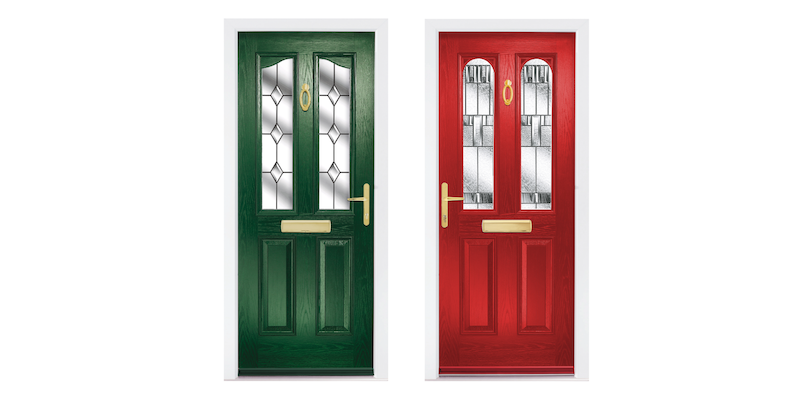

Composite Double Door Repair
Eine Bewertung hinzufügen FolgenÜbersicht
-
Gegründet Datum 6. September, 1996
-
Branchen Bildung, Kultur
-
Posted Jobs 0
-
Angesehen 63
Beschreibung Des Unternehmens
Door Seal Replacement: The Good, The Bad, And The Ugly

Door Seal Replacement: A Comprehensive Guide for Homeowners
Door seals play a crucial role in preserving a comfortable environment in our homes by avoiding drafts, moisture, bugs, and sound from going into. Gradually, door seals can use out, causing elevated energy expenses and unpleasant living conditions. This article will check out the importance of door seal replacement, provide a step-by-step guide on how to change them, and take on regularly asked questions.
Why Door Seals Matter
Door seals, also known as weatherstripping, act as a barrier in between the outside environment and your home. If we look carefully at the benefits they offer, we can see why replacement is necessary:
| Benefit | Description |
|---|---|
| Energy Efficiency | Correct seals can considerably minimize heating and cooling costs by preventing air leaks. |
| Sound Reduction | High-quality door seals help buffer external sounds, creating a more peaceful indoor environment. |
| Insect Control | They avoid pests and other pests from going into the home. |
| Wetness Protection | Reliable seals can stop moisture intrusion, minimizing the threat of mold and mildew. |
Given these benefits, regular maintenance and timely replacement of door seals can greatly boost the performance and convenience of a home.
Indications that You Need a Door Seal Replacement
It’s vital to be alert and acknowledge when door seals are starting to stop working. Here are some common indicators:
- Visible Damage: Cracks, tears, or warping in the seal.
- Drafts: Feeling cold air coming through the edges of the door.
- Increased Energy Bills: An obvious spike in your heating or cooling costs.
- Noise: Excessive sounds originating from outside when doors are closed.
- Wetness: Signs of condensation or moisture around the door frame.
If you experience any of these concerns, it may be time to change the composite door Latch repair seals.
Tools and Materials Needed for Replacement
Before beginning the replacement process, collect the essential tools and products:
| Tools | Materials |
|---|---|
| Utility knife | New weatherstripping (foam, vinyl, or rubber) |
| Measuring tape | Adhesive (if required) |
| Scissors or snips | Door sweep (for bottom of door) |
| Screwdriver (if appropriate) | Caulk (for added sealing) |
Step-by-Step Guide to Replacing Door Seals
Changing door seals is an uncomplicated DIY job that can generally be done in under an hour. Follow these actions for an effective replacement:
Step 1: Measure the Door Frame
Start by measuring the height and width of your door frame. This will help in purchasing the right size of seal. Ensure to determine both the side and top of the door.
Step 2: Remove Old Seals
Utilizing an utility knife, thoroughly remove the old seals. If they are pin down or affixed utilizing screws, carefully remove them with a screwdriver. Take your time to avoid damaging the door or frame.
Step 3: Clean the Surface
Once the old seals are removed, tidy the surface of the door frame utilizing a damp fabric. Make sure there is no residue or debris left that might impede the adhesion of the brand-new seal.
Step 4: Cut and Fit New Seal
Cut the brand-new weatherstripping to fit the height and width of the door frame. The majority of seals feature an adhesive backing, however some may need additional adhesive. Ensure the seal fits comfortably against the composite door hinge repair when closed.
Step 5: Install the New Seal
Remove the support (if adhesive) and press it securely into place along the sides and top of the door. If screws are needed, pre-drill holes and secure the seal with screws.
Action 6: Add a Door Sweep
For the bottom of the door, set up a door sweep, which will further boost the sealing efficiency versus drafts and wetness. Ensure it’s adapted to brush against the flooring without dragging.
Step 7: Test the Seal
Close the door and check for any gaps. If you feel drafts or discover gaps, change the seal as required. You may also want to look for any extra weatherstripping needed in other areas.
Maintenance Tips for Door Seals
To extend the life of your new door seals and preserve their efficiency, follow these maintenance pointers:
- Regular Inspection: Check seals every few months for signs of wear or damage.
- Cleaning: Clean seals with mild soap and water to get rid of dirt that might impact their performance.
- Apply Lubrication: If the seals are rubber, consider applying a silicone-based lube to prevent cracks.
- Adjust as Needed: If doors start to sag gradually, adjust hinges to make sure a snug fit against the seals.
Regularly Asked Questions (FAQ)
1. How often should door seals be replaced?
Door seals need to be inspected a minimum of once a year and replaced as required. Some might last several years, depending on wear and ecological conditions.
2. Can I change door seals myself, or should I hire a professional?
Changing composite back door repair seals is usually a straightforward DIY task. However, if you’re uneasy with home repairs, hiring a professional is a choice.
3. What kind of door seal is finest?
The finest kind of composite door refurbishment services seal depends on the particular door and conditions. For exterior doors, rubber or vinyl seals are typically advised because of their durability and weather resistance.
4. Will replacing door seals save me money on energy costs?
Yes, changing worn or damaged door seals can result in enhanced energy effectiveness and lower heating or cooling costs.
5. Are door sweeps necessary?
Yes, door sweeps are a necessary part of the sealing system and assistance avoid drafts and moisture from entering under the door.
Replacing door seals is a crucial aspect of home maintenance that can lead to considerable benefits in comfort, energy performance, and total home stability. By following the actions laid out above and staying watchful about the condition of your seals, property owners can delight in a more comfy living environment while also minimizing energy costs. Routine maintenance and prompt replacements will make sure that your home stays safeguarded from the elements for years to come.